
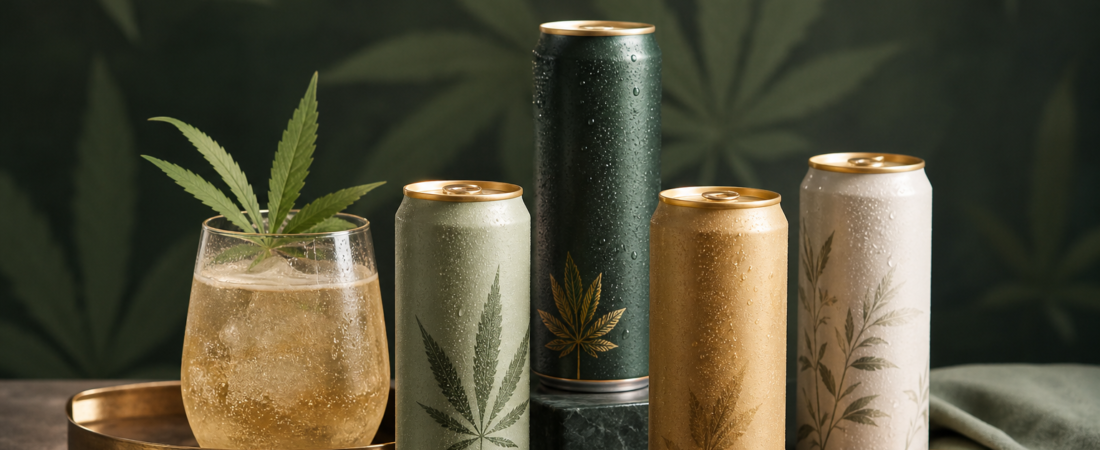
Cannabis beverages can look deceptively simple on a menu. A can with 10 mg THC or a small sparkling drink with 2 mg per serving sounds straightforward, but the details matter: how fast it tends to hit, whether the dose is split across multiple servings, how much sugar is packed into the format, and whether the product fits the kind of experience you actually want.
If you’re shopping for cannabis drinks in Ontario in 2026, the safest approach is to treat beverages as a format with its own rules rather than assuming they behave exactly like smoking, vaping, or even every other edible. Before you buy, it helps to understand the label, the intended dose, and the practical tradeoffs between low-dose social drinks, balanced THC:CBD options, and stronger single-session cans.
This guide walks through the checks that matter most for Ontario buyers: dose math, onset expectations, sugar and ingredient clues, price-per-session thinking, and the red flags worth catching before checkout. If menu labels still feel messy, start with our cannabis menu-reading guide first, then come back here for the beverage-specific decisions.
Ontario cannabis beverage buying snapshot
| What to check | Good sign | Why it matters |
|---|---|---|
| Total THC per container | Clearly shown in mg, with serving guidance | Helps you avoid treating a multi-serving drink like a single low-dose session |
| THC:CBD balance | Ratio matches your goal: calmer, lighter, or more THC-forward | Balanced products often feel easier for cautious or lower-tolerance buyers |
| Serving size | Easy to split or intentionally single-serve | Important for pacing, especially with 5 mg to 10 mg beverages |
| Sugar and ingredient load | Ingredients you would actually choose to drink | Some buyers want a lighter social drink, not a syrupy novelty can |
| Onset expectations | Realistic plan to wait before adding more | Stacking doses too soon is one of the easiest ways to overshoot |
| Price per usable session | Cost makes sense for the dose you’ll actually consume | A cheap can is not a deal if you only comfortably use one quarter of it |
Start with the real dose, not the branding
Drink branding can make products feel softer or more casual than they are. Sparkling water, iced tea styling, fruit soda flavour names, and wellness language can disguise the fact that you’re still buying a THC product that should be dosed intentionally. The first thing to check is the total cannabinoid amount in the container, not the flavour or lifestyle copy on the front.
For many Ontario shoppers, the difference between a good first experience and a rough one is whether the product is truly low-dose. A 2 mg or 2.5 mg THC beverage can fit a much easier test session than a 10 mg can, especially if you are newer to edibles. If you are still figuring out your range, our low-dose edibles shopping checklist and Ontario microdosing guide are useful companions.
Also check whether the can is designed as one serving or several. Some beverage formats are easy to split over ice or pour into smaller glasses. Others are better treated as a single planned session. The key is not to guess. If the label shows 10 mg THC total and you usually prefer 2.5 mg, then that can is effectively four sessions for you, not one.
THC-only vs balanced drinks
Not every cannabis beverage needs to be THC-heavy. For some buyers, especially people who want a calmer social option or a less edgy first experience, balanced THC:CBD drinks are the better fit. CBD does not magically erase THC, but many shoppers find a balanced product easier to approach than a straight 10 mg THC drink.
If you are undecided, think about your goal. Are you looking for a light social buzz, a mild evening unwind, or a stronger effect that replaces another edible format? Buyers who want something more manageable often do better starting with lower total THC or a balanced ratio rather than chasing a novelty flavour in the strongest format available. Our THC vs CBD beginner guide can help if you’re still deciding which lane fits you.
How beverages may feel different from other edibles
Many shoppers hear that cannabis drinks can feel faster than standard edibles and then assume they can redose quickly. That is where people get into trouble. Some beverages may come on sooner than a chocolate or gummy, but “faster” does not mean instant or perfectly predictable. Your meal timing, tolerance, metabolism, and the product itself all matter.
The safest move is still patience. Plan your session so you do not need to guess after 20 minutes whether you should add more. If you specifically want faster edible-style options, compare the beverage format against our fast-acting edibles guide and the broader edibles onset and duration guide. The point is to set expectations before purchase, not after you crack the can.
Check sugar, ingredients, and session fit
Cannabis beverages are not just cannabinoid containers. They are also food-and-drink products, which means the ingredient list matters. A drink might fit your dose preferences but still be a poor fit if it is overly sweet, full of flavours you dislike, or something you would never normally choose outside the cannabis aisle.
This matters even more if you want beverages for repeat use. A sugary 10 mg drink may feel fun once, but it may not be the product you want for a light weekday session or a long social evening. Buyers who care about repeatability should compare flavour style, sweetness, carbonation, and portion size with the same care they give the THC number.
Label clues that actually help
| Label or menu clue | What it helps you judge | Practical takeaway |
|---|---|---|
| “2 mg THC” or “2.5 mg THC” | Entry-level testing potential | Usually a more forgiving first try than jumping to 10 mg |
| “10 mg THC per can” | Whether the whole container matches your tolerance | Treat it as one strong session or split it intentionally |
| Balanced THC:CBD ratio | Whether the product may feel more even or less aggressive | Worth considering for cautious buyers |
| Calories / sugar listed clearly | Whether you actually want to drink the full serving | Useful when comparing light sparkling options vs sweet sodas |
| Large can with small reseal value | How realistic dose-splitting is | If it’s awkward to portion, choose a lower-dose product instead |
| Vague flavour-first menu copy with weak dose detail | How much work you’ll need to do before checkout | Pause and verify the actual cannabinoids before buying |
Price per session is more useful than price per can
A lot of buyers compare cannabis drinks by sticker price alone. That can be misleading. If one can costs less but contains more THC than you comfortably want in one go, the real comparison is what each usable session costs you. A 10 mg beverage that only works for you as four 2.5 mg pours should be evaluated differently than a ready-to-drink 2 mg can.
This is where beverage shopping overlaps with smarter Ontario menu reading in general. The best value is often the product that fits your dose, timing, and routine with the least friction. If you keep having to split, store, or second-guess a drink, it may not be the most practical buy even if the menu price looks attractive.
If you are comparing beverage availability through delivery-style menus rather than browsing in-store, keep the same product-detail standard. A service like Tasty Pot Delivery is only useful to compare when the menu makes dose, format, checkout timing, and product limits clear enough that you are not guessing from flavour names alone.
Red flags before checkout
- You cannot quickly tell whether the THC number is per serving or per container.
- You are buying based on flavour hype alone without checking the actual dose.
- The beverage is much stronger than your normal edible range, but you are treating it like a casual drink.
- You plan to stack a second beverage before the first one has had real time to develop.
- The product only makes sense if you split it, but the container and your setting make splitting unrealistic.
- You have not checked basic Ontario retail guidance from AGCO, the provincial Ontario cannabis laws, or the federal Health Canada cannabis rules.
Best use cases for cannabis beverages
Beverages can make sense for buyers who want a more familiar social format, people who dislike smoking or vaping, and shoppers who want a lower-dose alternative to heavier edible sessions. They can also work well for deliberate occasion-based use: a concert night, a cottage evening, or a planned low-key hangout where you want something sippable rather than a gummy or pre-roll.
They are usually a worse fit for impatient dosing, for buyers who hate sweet drinks, or for anyone who consistently ignores onset timing. If that sounds like you, another format may be cleaner. Our Ontario store-selection guide and delivery vs pickup guide can help you compare where and how to shop once you know the format you actually want.
Final takeaway
The best cannabis beverage in Ontario is not the trendiest can on the menu. It is the one whose dose, ratio, ingredients, and serving logic match the session you want. Start with the cannabinoid math, be realistic about onset, and judge value by usable servings rather than branding alone. That approach keeps beverage shopping simple, safer, and much more repeatable.