
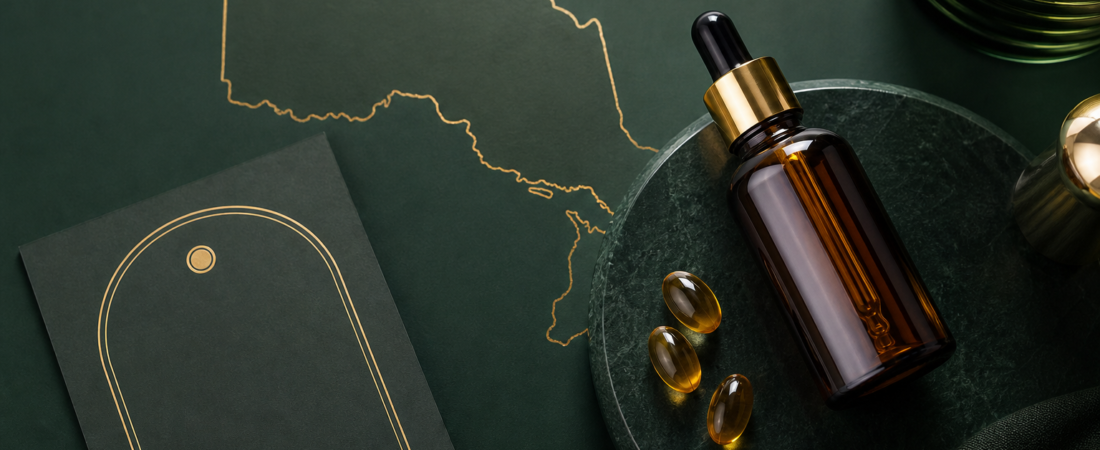
Cannabis oils can be one of the most practical products on a legal Ontario menu, but they are also one of the easiest categories to misunderstand. A bottle with a dropper can look simple. A pack of softgels can look even simpler. Then you notice the label shows total THC, total CBD, per-activation amounts, carrier oils, and wording about ingestion or sublingual use, and the decision suddenly feels less obvious.
If you are choosing cannabis oils in Ontario in 2026, the smartest move is not to buy the strongest bottle on the page. The better move is to understand the format, match the product to your routine, read the dose structure carefully, and buy from a legal source that gives you clear product details before checkout.
Ontario Cannabis Oils Buying Snapshot
| Question | Practical answer |
|---|---|
| Most common formats | Dropper oils, ingestible oil sprays, capsules, and softgels with measured THC, CBD, or balanced ratios. |
| Best beginner move | Choose a legal low-dose or CBD-forward oil with a clearly stated amount per ml, per dropper, or per capsule. |
| Most common mistake | Reading the total bottle THC or CBD only, then ignoring how much is in one actual serving. |
| Why oils appeal | They are smoke-free, easier to repeat consistently, and often simpler to fit into a calm home routine. |
| Storage rule | Keep oils sealed, upright, cool, and away from heat, sunlight, children, and pets. |
Start With Legal Ontario Sources
Adults 19 and older in Ontario should buy cannabis oils through legal channels. Private cannabis retailers are regulated by the Alcohol and Gaming Commission of Ontario, while the Ontario Cannabis Store remains the province’s official online cannabis retailer and wholesale source. Buying inside that system gives you ingredient disclosure, child-resistant packaging, cannabinoid labelling, and a more reliable baseline than unregulated products.
If you want a wider comparison layer before choosing one menu or retailer, CannaRadar can help you compare how legal cannabis listings are presented across Ontario and Canadian markets before you commit to one oil format.
Know The Main Oil Formats Before You Compare Potency
Many Ontario shoppers use “oil” as a catch-all term, but the buying decision changes depending on the format. A classic bottle with a dropper is useful when you want flexible measurement. Softgels or capsules can be cleaner when you care more about repeatability than adjustment. If you want a tighter softgel-specific label and onset checklist before you buy, our Ontario cannabis capsules and softgels buying guide breaks down dose structure, format fit, and safer first-buy checks. Some products are built around THC, some around CBD, and many sit somewhere in the middle.
The format matters because it changes how easy the product is to use well. A dropper oil gives you more room to measure carefully, but only if you will actually read the label and keep the dosing consistent. A softgel may feel more limited, yet it is often easier for cautious buyers because each unit is already portioned.
Read The Dose Per Use, Not Just The Total In The Bottle
This is the biggest oil-buying check. A label may show a large total THC or CBD number for the whole bottle, but that number alone does not tell you how much you are taking in one use. What matters more is the amount per millilitre, per activation, per dropper, or per capsule.
If a bottle shows 300 mg CBD total, that can sound beginner-friendly or strong depending on the bottle size and the serving structure. The same problem shows up with THC oils. A total-bottle number can look modest until you realize one full dropper is more than you expected.
If you are still learning how legal cannabis labels work, read the cannabis menu-reading guide before you compare oil products purely on label size or brand familiarity.
THC, CBD, Or A Balanced Ratio?
CBD-forward oils are often the easiest entry point for shoppers who want a gentler, lower-drama product. Balanced THC:CBD oils may suit people who want something between the two extremes. THC-forward oils deserve more respect because measured formats can still build up noticeably if you treat them casually.
If you are unsure which cannabinoid direction fits you, it is smarter to solve that question before you buy. The CBD beginner guide and the THC vs CBD beginner guide are the right companion reads here. The best oil is not automatically the strongest or most expensive one. It is the one you can understand, pace, and repeat responsibly.
Compare Oils And Softgels By Routine Fit
| Format | Best fit | What to watch |
|---|---|---|
| Dropper oil | Shoppers who want flexible measurement and do not mind reading labels carefully. | Easy to misread if you focus on total bottle THC/CBD instead of amount per dropper or ml. |
| Softgels or capsules | People who want repeatable portions and less guesswork from one use to the next. | Less flexible if the dose per capsule is stronger than your ideal starting point. |
| CBD-forward oil | Cautious buyers who want the gentler side of the category. | Do not assume every CBD product feels the same; carrier oil, ratio, and serving size still matter. |
| Balanced THC:CBD oil | Shoppers who want a middle lane rather than an extreme. | Balance on the label does not remove the need for a slow first trial. |
Ingredient List, Carrier Oil, And Taste Matter Too
Cannabis oils are not only about cannabinoids. Carrier ingredients shape the product experience too. MCT oil, olive oil, and other carriers can affect texture, taste, and how comfortable the routine feels. Some oils taste grassy, earthy, or distinctly cannabis-forward. Others are milder. That matters more than people admit, because an unpleasant taste can turn a theoretically good product into one you stop using after two tries.
If you dislike the ritual of measuring a dropper or dealing with taste, softgels may be the better fit even if the bottle format looks more customizable.
Plan The First Use Like A Real Test
Oils reward boring planning. Pick a low-pressure time, avoid mixing with alcohol, and do not schedule driving or risky tasks afterward. If the product is THC-forward, start with less than you think you need and give it time. Health Canada continues to remind consumers that cannabis can impair attention, coordination, and judgment, and that edible-style ingestible formats may take longer to show their full effect than inhaled cannabis. The Health Canada cannabis information hub is a useful official reference for lower-risk use basics.
If you are comparing ingestible formats more broadly, the Ontario edibles dosage guide is still useful because the patience and dose-discipline lessons overlap with many oil products.
When Oils Make More Sense Than Flower, Vapes, Or Pre-Rolls
Oils make sense when you want a smoke-free format, a more home-based routine, and cleaner repeatability than products that depend on inhalation style. They may be a poor fit if you want fast feedback, dislike measured waiting, or know that you prefer a more immediate format.
If you are still comparing the main lanes, the Ontario vape cartridge guide and Ontario pre-roll guide can help you decide whether you actually want an inhaled product instead.
Storage And Household Safety Checks
Store oils upright, sealed, and away from heat or direct sunlight. Keep them in their original labelled packaging whenever possible, especially if there are other adults in the home. That keeps the cannabinoid information, warning labels, and product identity clear. Do not leave oils in a hot car, beside a sunny window, or in a place where children or pets can reach them.
For broader after-purchase planning, the home cannabis storage guide covers freshness, smell control, and safer storage habits across multiple formats.
Quick Checklist Before You Buy Cannabis Oils In Ontario
- Confirm the retailer is legal and age-gated.
- Pick the format first: dropper oil, capsule, or softgel.
- Read the amount per ml, per dropper, or per capsule before looking at the total bottle number.
- Choose THC, CBD, or a balanced ratio based on your real tolerance and goal.
- Check the ingredient list and carrier oil.
- Plan the first use at a low-pressure time with no driving afterward.
- Store the product sealed, cool, upright, and out of reach.
Ontario Cannabis Oils FAQ
Are cannabis oils legal in Ontario?
Yes. Adults 19 and older can legally buy cannabis oils in Ontario through licensed stores and the Ontario Cannabis Store.
What matters most when reading a cannabis oil label?
The most important check is the amount of THC or CBD per actual use, such as per ml, per dropper, or per capsule. The total in the bottle matters less than the real serving amount.
Are softgels easier than dropper oils for beginners?
Often, yes. Softgels can be easier for beginners because each unit is already measured, which reduces guesswork and makes repeat use simpler.
Should I start with THC or CBD oil?
Many cautious buyers start with CBD-forward or balanced oils because they can feel easier to approach than THC-forward products. The right choice depends on your goal, your tolerance, and how much control you want over the first trial.
Choosing cannabis oils in Ontario is mostly about slowing the purchase down. Legal source first, format second, real serving size third, and storage plus pacing after that. If those pieces line up, an oil product is much more likely to become a reliable part of the routine instead of an overbought bottle that creates confusion after the first use.