
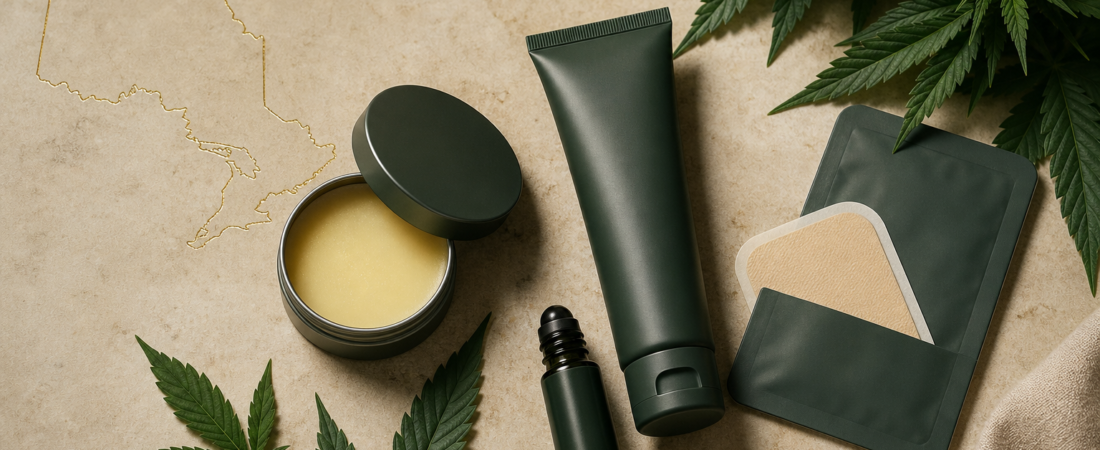
Cannabis topicals can look simple on a legal Ontario menu: a balm, a cream, maybe a patch, a THC number, a CBD number, and a few wellness-style words on the label. That simplicity is useful, but it can also hide the real buying questions. Topicals are not flower, not pre-rolls, and not edibles. The smartest topical buy is usually the one that matches your routine, your skin, your reason for using it, and your expectations about what the product can actually do.
If you are shopping cannabis topicals in Ontario in 2026, the goal is not to grab the strongest jar on the shelf. The better goal is to choose a legal, clearly labelled product that fits how and where you plan to use it, whether you care more about CBD than THC, and whether you want a simple localized format instead of something inhaled or eaten.
Ontario Cannabis Topicals Buying Snapshot
| Question | Practical answer |
|---|---|
| Most common formats | Balms, creams, lotions, oils, roll-ons, bath products, and a smaller number of patches. |
| First check | Confirm the retailer is licensed, then read total THC/CBD, format, ingredient list, scent, and intended application area. |
| Best beginner move | Start with a simple cream or balm from a legal source and treat the first use like a skin-product test, not a race to the highest cannabinoid number. |
| Common mistake | Assuming every topical works like an edible or vape, then buying with the wrong expectations about onset or whole-body effect. |
| Storage rule | Keep topicals sealed, cool, and out of direct heat so texture, scent, and cannabinoid stability do not degrade faster than necessary. |
Start With Legal Ontario Sources
Ontario adults 19 and older should buy cannabis topicals through legal channels. Private stores are regulated by the Alcohol and Gaming Commission of Ontario, while the Ontario Cannabis Store is the province’s official online retailer and wholesale source. That legal filter matters because you get ingredient disclosure, cannabinoid labelling, child-resistant packaging, and a cleaner baseline for comparing products.
That does not mean every legal topical will be the right fit. It means you can slow the decision down and compare product type, size, scent, and cannabinoid profile with fewer unknowns than you would get from an unregulated product.
If you want a broader legal-listings comparison layer before choosing one topical format or retailer flow, CannaRadar can help you see how cannabis listings are presented across Ontario and Canadian markets. Use it to compare listing clarity, not as a substitute for checking ingredients, cannabinoid amounts, and legal-source details on the actual product page.
Know What A Topical Is And Is Not
A cannabis topical is made to be applied to the body rather than inhaled or eaten. Many shoppers choose topicals because they want a product that feels more routine-based and less like a full session. Creams and balms often fit that lane better than flower, pre-rolls, or vape carts when the real goal is a localized product you can work into the day.
What matters here is expectation management. A topical should not be bought as if it were just a weaker edible. It is a different format with a different use pattern. If you are still comparing the main cannabis product lanes, the cannabis menu-reading guide helps you read labels across formats before you commit.
Decide Whether CBD, THC, Or A Balanced Ratio Makes More Sense
Many topical shoppers start with CBD-forward products because they want the gentler, lower-drama end of the category. Others prefer balanced THC:CBD labels or a modest amount of THC alongside other ingredients such as menthol, essential oils, or botanical blends. The label is not just there for curiosity. It tells you whether the product is built around CBD, THC, or a mix, and that changes how you compare one jar to another.
If you are new to cannabinoids in general, the CBD beginner guide and THC vs CBD beginner guide are worth reading before you default to the highest total milligrams on the page.
Read The Ingredient List Like A Skincare Product
This is where topical buying gets more practical than glamourous. A topical is not only a cannabis product. It is also a skin-contact product. Read the ingredient list for texture, scent, and possible irritants. If you are sensitive to strong fragrance, cooling agents, or heavily perfumed blends, that matters as much as the THC or CBD total.
Think about where you will use it. A thick balm may feel better for slower, more deliberate use at home. A lighter lotion or roll-on may be easier for daytime. A patch may sound convenient, but only if you are actually comfortable with a product designed to stay on the skin for longer.
Compare Format Before You Compare Potency
| Format | Best fit | What to watch |
|---|---|---|
| Balm or salve | Small-area, slower, more hands-on application. | Can feel greasy; stronger scent or heavier texture may not suit daytime use. |
| Cream or lotion | Routine use when you want something easier to spread. | Check fragrance, texture, and whether the formula feels too light or too cosmetic for your goal. |
| Roll-on or oil | Quick application and less mess on the go. | Packaging quality matters; leaks or poor applicators can make a product annoying fast. |
| Patch | Longer-wear format for shoppers who specifically want that style. | Do not buy patches casually if you have not thought through wear time, skin sensitivity, and placement. |
The strongest topical is not automatically the smartest topical. A modest, well-textured cream that you will actually use can be a better buy than an intense product that feels wrong on your skin or sits in a drawer after one try.
Check Package Size, Scent, And Realistic Use Pattern
Large jars can look like better value, but only if you like the texture, scent, and routine enough to use them consistently. If you are trying a topical for the first time, smaller can be smarter. You reduce the risk of being stuck with a product that smells too strong, feels too sticky, or does not suit your application style.
Use the same discipline you would use when choosing any other cannabis product: buy for your real routine, not for the most impressive-looking label. The Ontario cannabis store guide is useful when the menu itself is thin and you need a better retailer filter before comparing product pages.
Plan The First Use Like A Product Test
For a first use, keep it simple. Apply a small amount to one area, follow the package directions, and give yourself time to see how the product feels on the skin. Do not layer on extra product immediately just because the first few minutes feel uneventful. Topicals reward patience and routine more than impulse.
If the formula includes a strong cooling or warming ingredient, expect that sensation to influence your first impression. That is another reason to read ingredients carefully rather than buying only on cannabinoid totals.
Storage, Hygiene, And When To Skip A Product
Store topicals sealed and away from heat. A hot car, sunny windowsill, or bathroom humidity can make texture and scent less reliable over time. Keep the container clean and avoid dipping messy hands back into a jar. If the smell changes sharply, the texture separates badly, or the packaging is damaged, it may not be worth forcing continued use.
And if you have sensitive skin, open cuts, or a condition that makes you cautious about new skin products, treat a cannabis topical with the same care you would give any new cream or balm. The cannabis label does not cancel out ordinary skincare common sense.
When A Topical Makes More Sense Than Other Cannabis Formats
A topical can make more sense when you want a routine-friendly product with no smoke, no vapour, and no edible-style waiting game. It may be a poor fit if you are really looking for the faster, clearer session logic of inhaled cannabis or the more deliberate dose structure of edibles.
If you are deciding between low-commitment formats, the Ontario vape cartridge buying guide, Ontario pre-roll buying guide, and Ontario edibles dosage guide give cleaner comparisons.
Quick Checklist Before You Buy
- Confirm the store is licensed and age-gated.
- Choose format first: balm, cream, roll-on, oil, or patch.
- Read total THC and CBD, but do not stop there.
- Check the ingredient list for fragrance, menthol, essential oils, or other possible irritants.
- Buy a size that matches trial use if this is your first topical.
- Store it cool, sealed, and clean.
- Treat the first use like a product test, not a potency contest.
Ontario Cannabis Topicals FAQ
Are cannabis topicals legal in Ontario?
Yes. Adults 19 and older can buy legal cannabis topicals in Ontario through licensed stores and the Ontario Cannabis Store.
Should I choose THC or CBD topicals first?
Many new shoppers start with CBD-forward or balanced products because the labels can feel easier to read and compare. The right choice depends on your goal, your tolerance, and how simple you want the first trial to be.
What is the safest first topical to try?
A simple legal cream or balm with a clear ingredient list is usually the safest starting point. Smaller size, moderate cannabinoid totals, and a texture you are likely to use consistently are often smarter than buying the strongest option.
Do package ingredients matter as much as cannabinoid totals?
Yes. A topical is also a skin-contact product, so fragrance, texture, menthol, essential oils, and general formula quality can matter just as much as THC or CBD totals.
Choosing a cannabis topical in Ontario is mostly about buying slower and more practically. Legal source first, format second, ingredient list third, and cannabinoid profile after that. If those pieces line up, a topical is much more likely to become a useful part of the routine instead of a product you regret after one messy try.