
Fire safety around cannabis is mostly about ordinary household habits: controlling anything that burns, charging battery-powered accessories correctly, keeping hot equipment away from clutter, and making sure smoke and carbon monoxide alarms work. A joint, pipe, vaporizer, or dab device can create a different hazard, but none belongs unattended beside bedding, paper, upholstery, or other material that can ignite.
This guide is for Canadian adults who choose to use cannabis. It does not make smoking or vaping risk-free, and it does not replace the instructions supplied with an accessory, local fire rules, a rental agreement, or emergency guidance.
Start with the room, not the product
Before lighting or heating anything, look at the surface and the surrounding area. Clear away paper, packaging, curtains, blankets, dry plant material, aerosols, alcohol-based cleaners, and other combustibles. Use a stable, non-combustible surface. Never balance a hot accessory on a couch arm, mattress, vehicle seat, or stack of papers.
Know the rules for the building and location. Condos, apartments, hotels, workplaces, and campuses may restrict smoking or vaping even when adult cannabis possession is legal. Our guide to cannabis etiquette in shared housing covers smoke, guests, and household boundaries in more detail.
Treat smoking materials as live until they are cold
Use a deep, sturdy ashtray on a level surface. Do not improvise with a paper cup, food container, cardboard box, planter, or garbage can. Extinguish smoking material completely and check that no glowing ember remains. An ashtray that looks finished can still contain heat, so keep it away from children, pets, drafts, and anything combustible until the contents are fully cold.
Do not smoke when you are likely to fall asleep or when alcohol, medication, fatigue, or impairment makes it harder to stay alert. Never leave a lit joint, pipe, candle, or other flame unattended. If a local fire service gives different disposal instructions, follow the local rule.
Charge vaporizers like battery-powered devices
A cannabis vaporizer commonly includes a battery, heating element, chamber or cartridge, and mouthpiece. Health Canada notes that vaping accessories can malfunction and, in rare cases, cause injury. Its cannabis accessory guidance tells consumers to follow the manufacturer’s instructions, avoid overcharging rechargeable batteries, and use proper battery precautions and disposal.
- Use the charger and cable specified by the manufacturer.
- Charge on a hard, clear surface where you can see the device.
- Keep charging devices away from bedding, sofas, clothing, paper, and direct heat.
- Do not charge a device that is wet, swollen, cracked, unusually hot, leaking, or damaged.
- Disconnect it when charging is complete instead of leaving it plugged in indefinitely.
- Keep loose batteries away from keys, coins, and other metal objects that could bridge the terminals.
If a battery becomes very hot, changes shape, makes an unusual sound, releases an odour, or smokes, stop using it and move away. Do not handle a smoking or burning battery. Call 911 for an active fire or immediate danger and follow instructions from emergency responders.
Keep dab equipment and hot parts controlled
Dab rigs may use a torch or an electrically heated component. Both can create hot surfaces long after a session ends. Put the equipment on a stable heat-resistant surface, keep fuel and aerosols away, and do not touch or store heated parts until they have cooled. A torch should be turned off and stored according to its instructions, out of reach of children and pets.
Do not improvise repairs, bypass safety controls, or use a damaged power adapter. If an accessory no longer charges normally or has been dropped, flooded, crushed, or exposed to extreme heat, stop using it until the manufacturer or an appropriate service provider can advise you.
Smoke alarms and an exit plan still matter
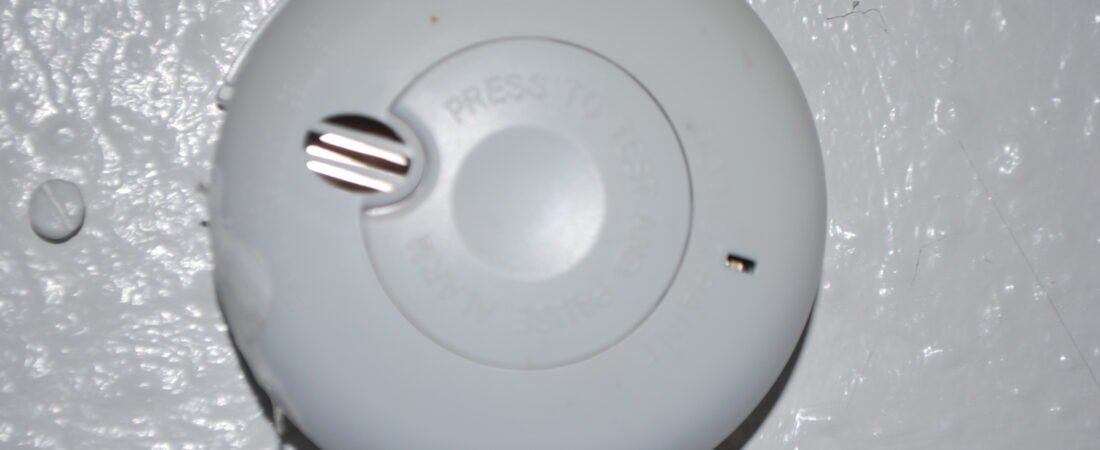
Working smoke alarms provide warning when a fire starts. Health Canada’s home fire-safety guidance explains alarm maintenance and household fire prevention. Test alarms as directed by the manufacturer and replace batteries or units according to the device instructions and local requirements. Never cover, disable, or remove an alarm to avoid a nuisance signal. Instead, move the activity to a lawful location where it does not interfere with safety equipment.
Everyone in the home should know two ways out when possible, where to meet outside, and how to call 911. If a fire starts, leave the building, close doors behind you when safe, stay outside, and call emergency services. Property and cannabis products are replaceable; people are not.
Store products and accessories separately
Keep cannabis in its original child-resistant package and store it securely away from children and pets. Let accessories cool before putting them away. Keep chargers, batteries, lighters, matches, torches, cleaning liquids, and cannabis products in appropriate separate locations rather than collecting everything in one loose drawer or bag.
For general storage decisions, see our home cannabis storage guide. For damaged cartridges, batteries, and empty packages, use our packaging and vape disposal guide and check the rules of your municipal waste program.
A one-minute shutdown check
- All flames and embers are fully out.
- Hot parts are cooling on a stable, non-combustible surface.
- The vaporizer is powered off and no longer charging.
- Batteries show no heat, swelling, cracks, leaks, or other damage.
- Cannabis and accessories are secured away from children and pets.
- Exits and alarms remain clear and usable.
A consistent shutdown routine is more useful than relying on memory after a late night or an interruption. If something about a device, charger, battery, or smoking setup feels unsafe, stop and resolve the problem before using it again.